
With every DataMiner Feature Release, we introduce improvements and new capabilities that help you get more value out of your system. In this post, we highlight the most noteworthy additions to DataMiner 10.6.7.
Below, you’ll find a list of the new or improved features that are worth highlighting in this release. Each item links to relevant documentation where you can find more details.
- In the Correlation module in Cube, a new rule action allows you to generate a group alarm that combines all base alarms matching the correlation rule.
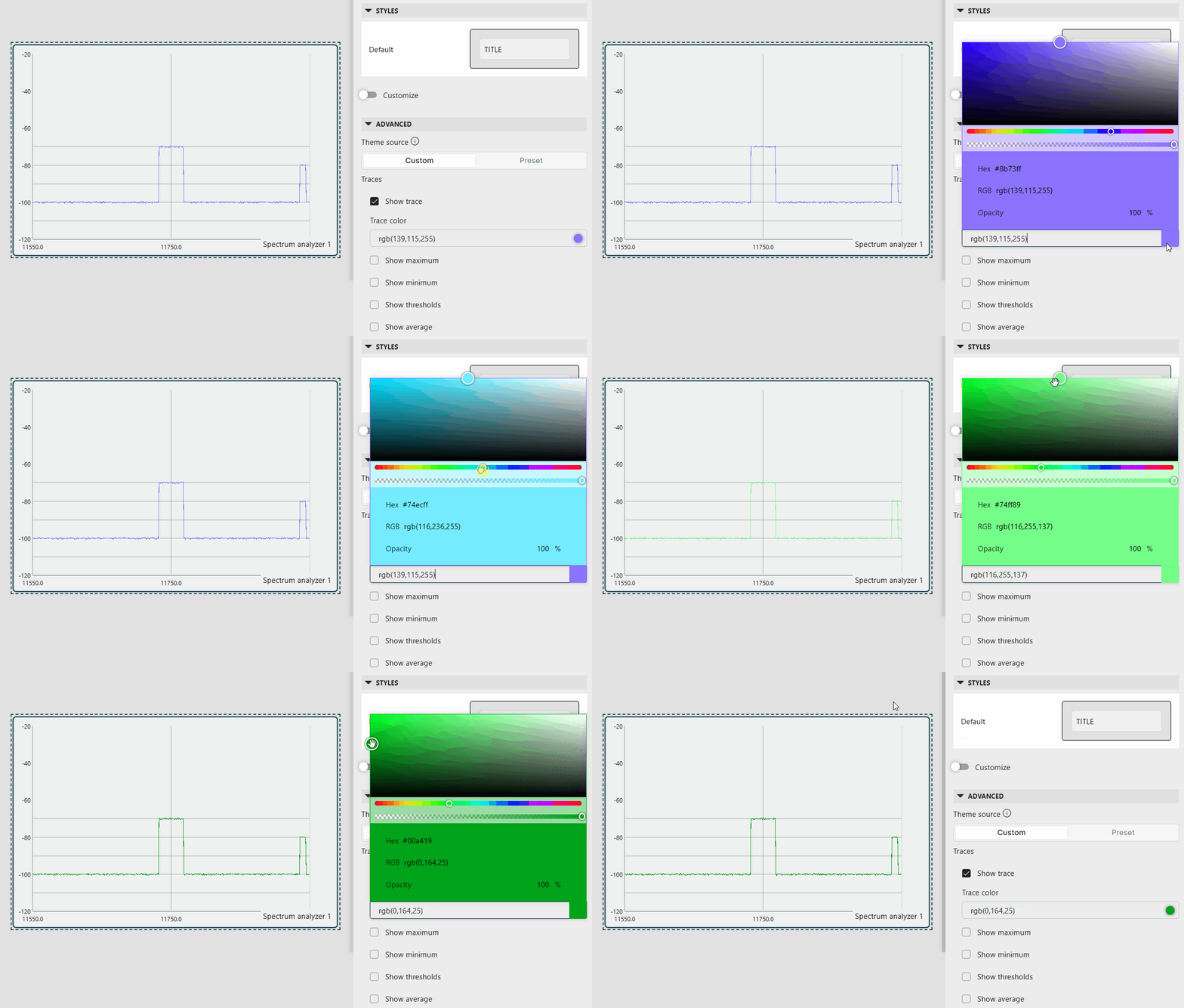
- Several improvements have been made to the Dashboards and Low-Code Apps modules:
- In the spectrum analyzer component, you can now control how trace and grid colors are applied using the Theme source setting. Choose between preset-driven styling or fully customized colors.
- The new Minimize metric setting for the node edge graph component lets you configure when edge metrics are minimized, for example when edges are too close together.
- Tree and list components can now be filtered by passing a text string, for example from a text input component.
- Within a GQI extension, you can now retrieve the culture and time zone of the user who opened the current query session from the Session object.
- API tokens can now be configured with a rate limit to control how frequently they can be used to trigger user-defined APIs.
- When running the SLLogCollector tool, you can now include information about DLL files in the generated package.
- The Isolate setting for the web component, which allows content to run in a restricted environment (sandbox), is now available not only for HTML content, but also when the component is configured as a webpage.
- When replication buffering is enabled, replication buffer files in the SLNet system cache are now automatically cleaned every 24 hours.
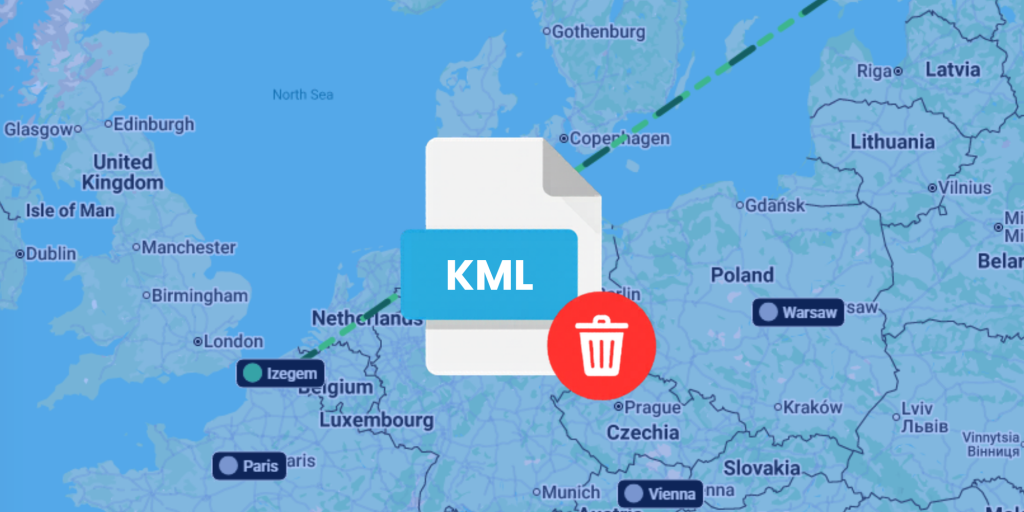
- As Google has announced the deprecation of KML layers, KML overlays used in the maps component (in Dashboards and Low-Code Apps) and the DataMiner Maps add-on module will stop functioning as of August 2026. We strongly recommend migrating to GeoJSON, which is the supported alternative going forward. To support a smooth transition:
- The Google Maps provider has been pinned to version 3.65, the last stable version that supports KML. While a transition away from KML will still be necessary, this extends KML support until May 2027.
- Support for GeoJSON layers has been improved. You can now customize the look and feel of overlays by defining properties on geometry objects.
- The Maps module is now included in the web upgrade packages, so that you can obtain the latest version without requiring a full upgrade, making it easier to adopt GeoJSON improvements as they become available.
Are your maps ready for life after KML?
As mentioned above, KML support is being phased out and a transition to GeoJSON is recommended. But what does that mean for your existing maps? In a separate blog post, we dive deeper into your options and how to approach the migration.
Content expert: Sebastiaan Dumoulein
For a complete list of changes added in DataMiner 10.6.7, including technical details and fixes, refer to the official release notes.
Previous DataMiner releases
BLOG
What’s new in DataMiner 10.6.6?
Find out which new and improved features have been added in DataMiner version 10.6.6.
BLOG
What’s new in DataMiner 10.6.5?
Find out which new and improved features have been added in DataMiner version 10.6.5.