
solution Use Case
High Density Remote Media Encoding, Processing, and Contribution

USE CASE DETAILS
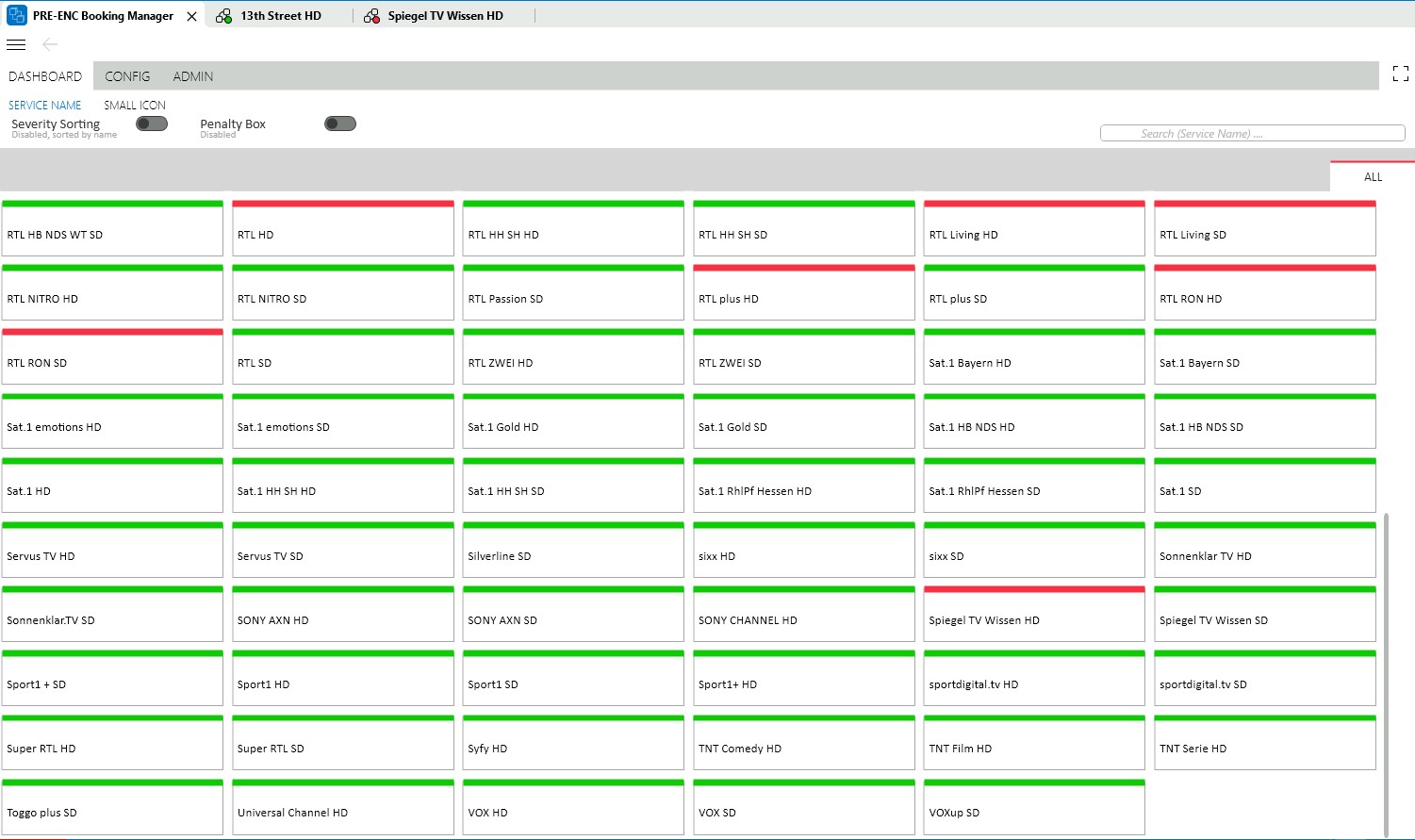
The service overview dashboard dynamically visualizes all orchestrated services in the network. And it's schedule aware!
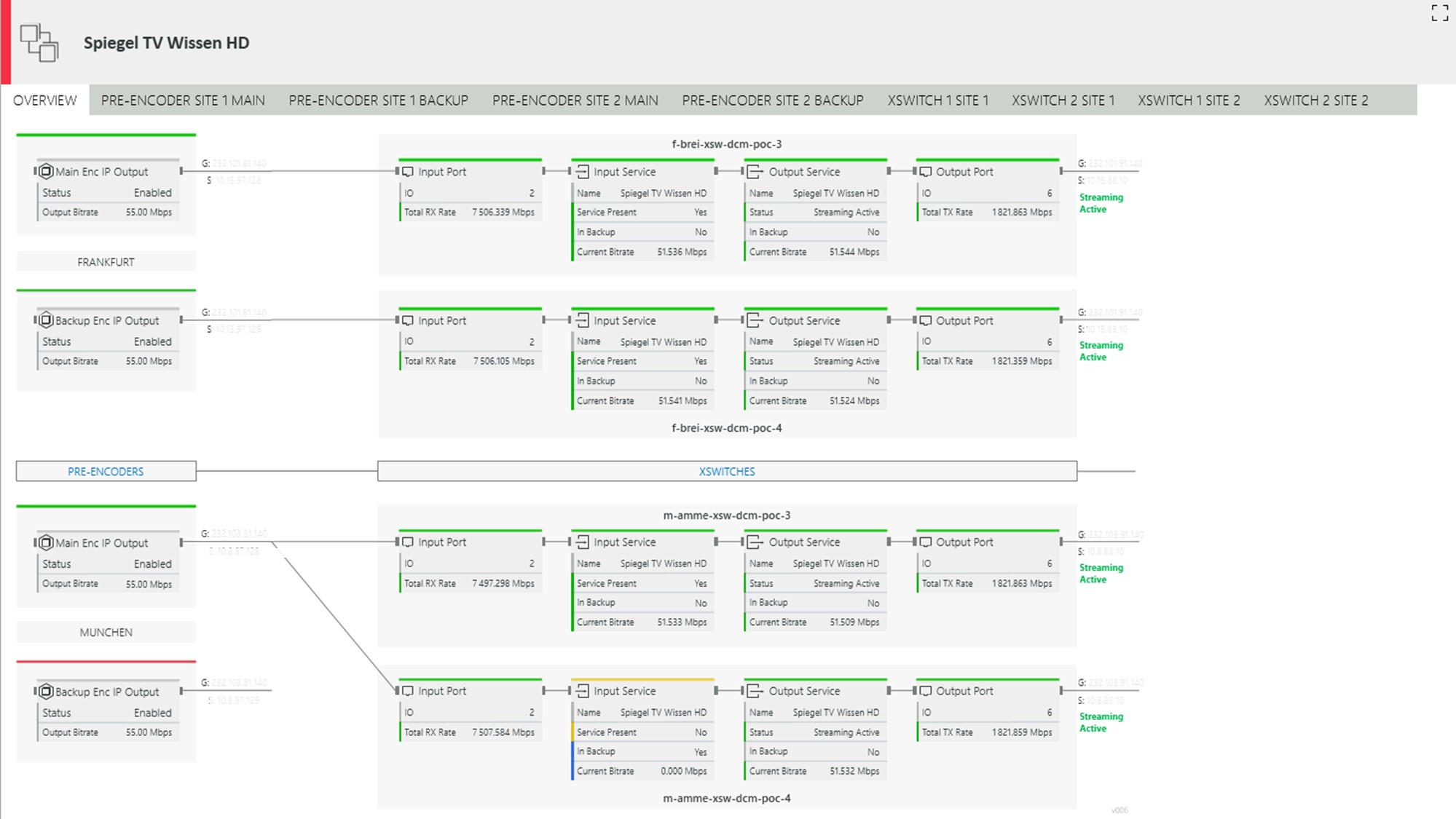 Managing media services in an all-connected world becomes a challenge without DataMiner. Even though there are hundreds of services running on the platform, DataMiner makes it easy to orchestrate and observe the exact flow of the media service throughout the network. Orchestration and monitoring goes end to end: across facilities and locations, different products and cloud instances, IP network connectivity, etc. DataMiner automatically assigns free resources to the media service (book capacity), orchestrates the resources (based on schedule), and starts monitoring during the on air time (schedule-aware monitoring). Each resource is monitored to the finest details, and service impacting events automatically trigger a service alarm and/or incident. In this example, a single media service is encoded in 2 locations, each with a redundant encoder from Appear. The content is streamed in 4 copies over a red/blue IP network to the central headends. Media processing is done with DCM IP processors from Synamedia. Operators have instant observability of system health, KPIs (bitrates, …) and configs (IP addresses…), and can drill down to all levels of details and historical events/performance with a single click.
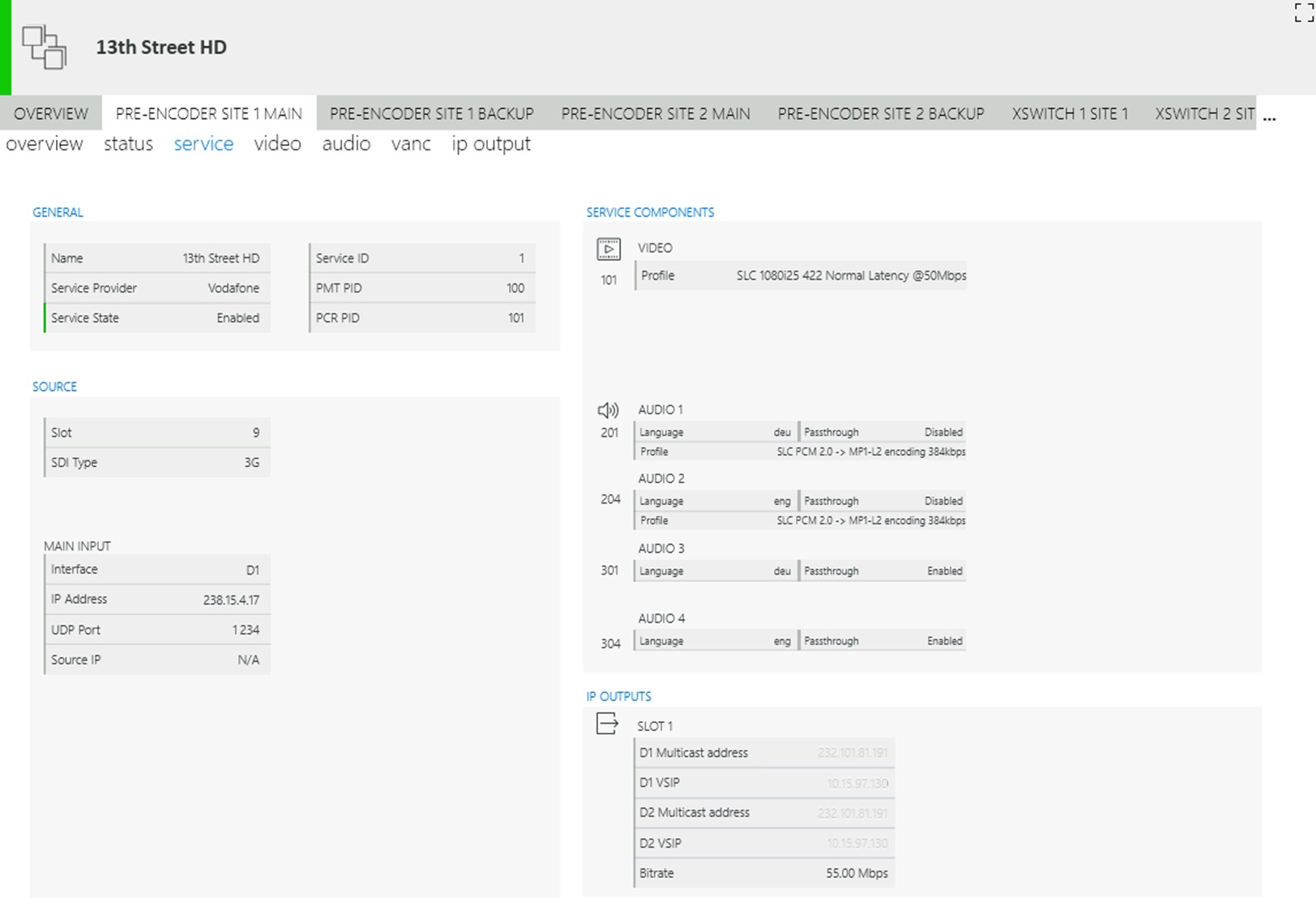
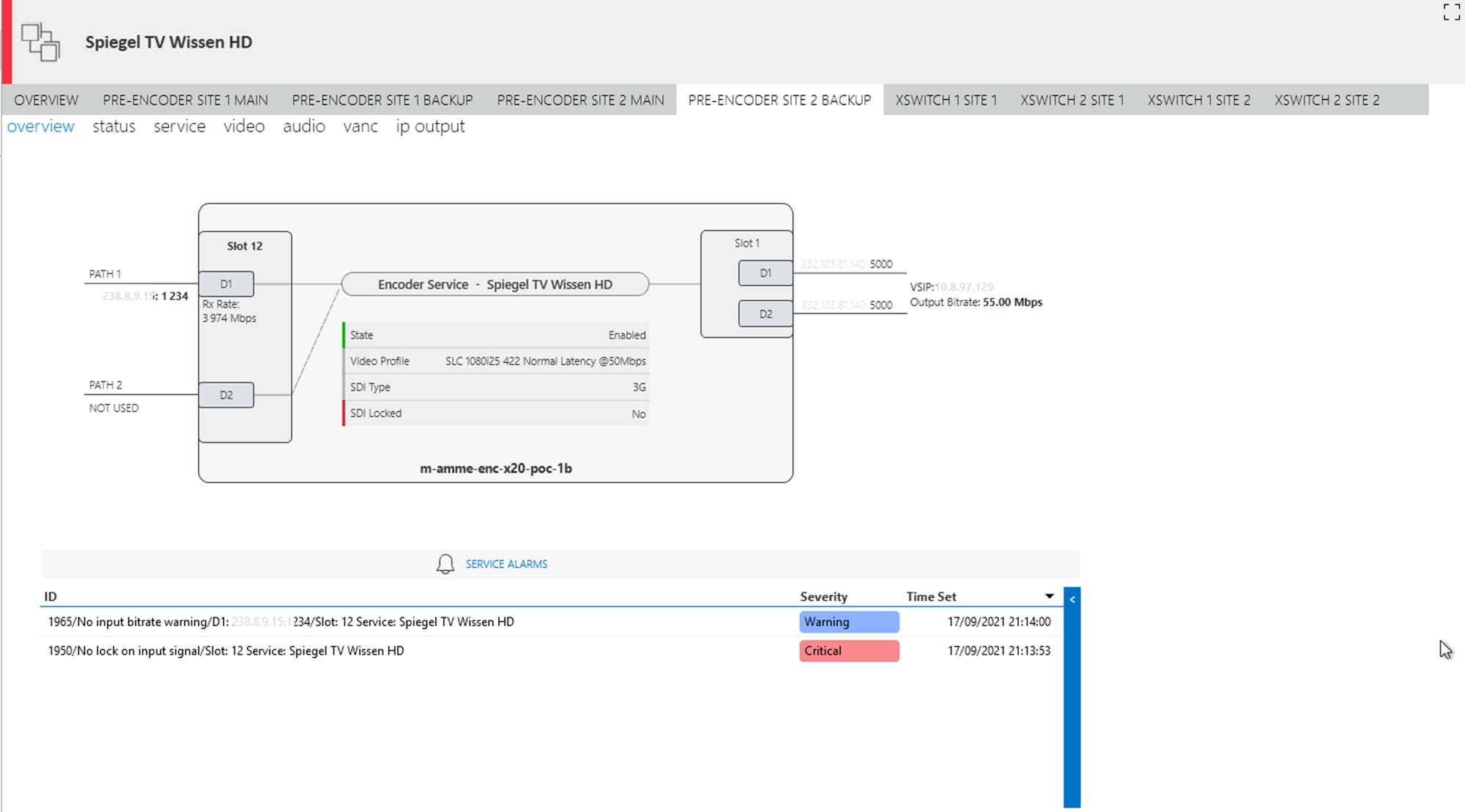 DataMiner does not force operators to learn and browse through vast data sets ingested by products that process hundreds or thousands of flows. On the contrary, DataMiner does the hard work for you: creating a full digital twin of your products and cloud services, and processing that data into comprehensive monitoring and control surfaces. In this example, the operator looks at an encoding function from a specific media service. Out of hundreds of products, and thousands of metrics, DataMiner filters only those related to that given media service. Easy, right? Without risk of corrupting other services, operators can observe the encoding function (Yes: this looks the same for every brand of encoder!), act on it quickly (e.g. switch to reserve feed or slate), see alarms, see history bitrates and input presence, etc. There's no training need to operate this!
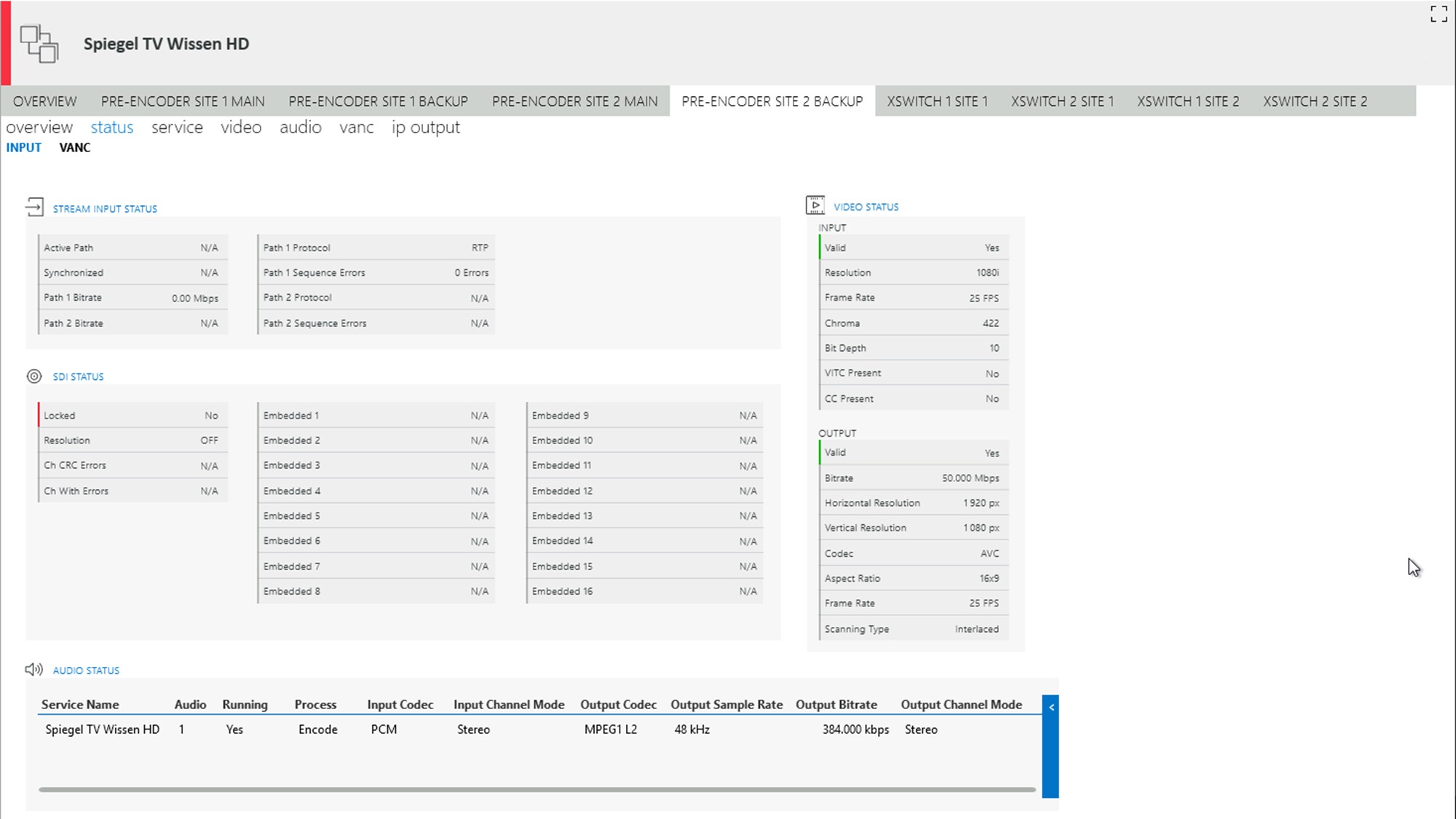 DataMiner is made for ICT Media teams: management of signal status, audio and video settings (profiles), metadata (captions, TxT, etc.); it’s all there! Even full automation and observability of your ICT compute and IP networking on/off premises.
 DataMiner is made for ICT Media teams: management of signal status, audio and video settings (profiles), metadata (captions, TxT, etc.); it’s all there! Even full automation and observability of your ICT compute and IP networking on/off premises.
 DataMiner is made for ICT Media teams: management of signal status, audio and video settings (profiles), metadata (captions, TxT, etc.); it’s all there! Even full automation and observability of your ICT compute and IP networking on/off premises.
 DataMiner is made for ICT Media teams: management of signal status, audio and video settings (profiles), metadata (captions, TxT, etc.); it’s all there! Even full automation and observability of your ICT compute and IP networking on/off premises.
 DataMiner is made for ICT Media teams: management of signal status, audio and video settings (profiles), metadata (captions, TxT, etc.); it’s all there! Even full automation and observability of your ICT compute and IP networking on/off premises.
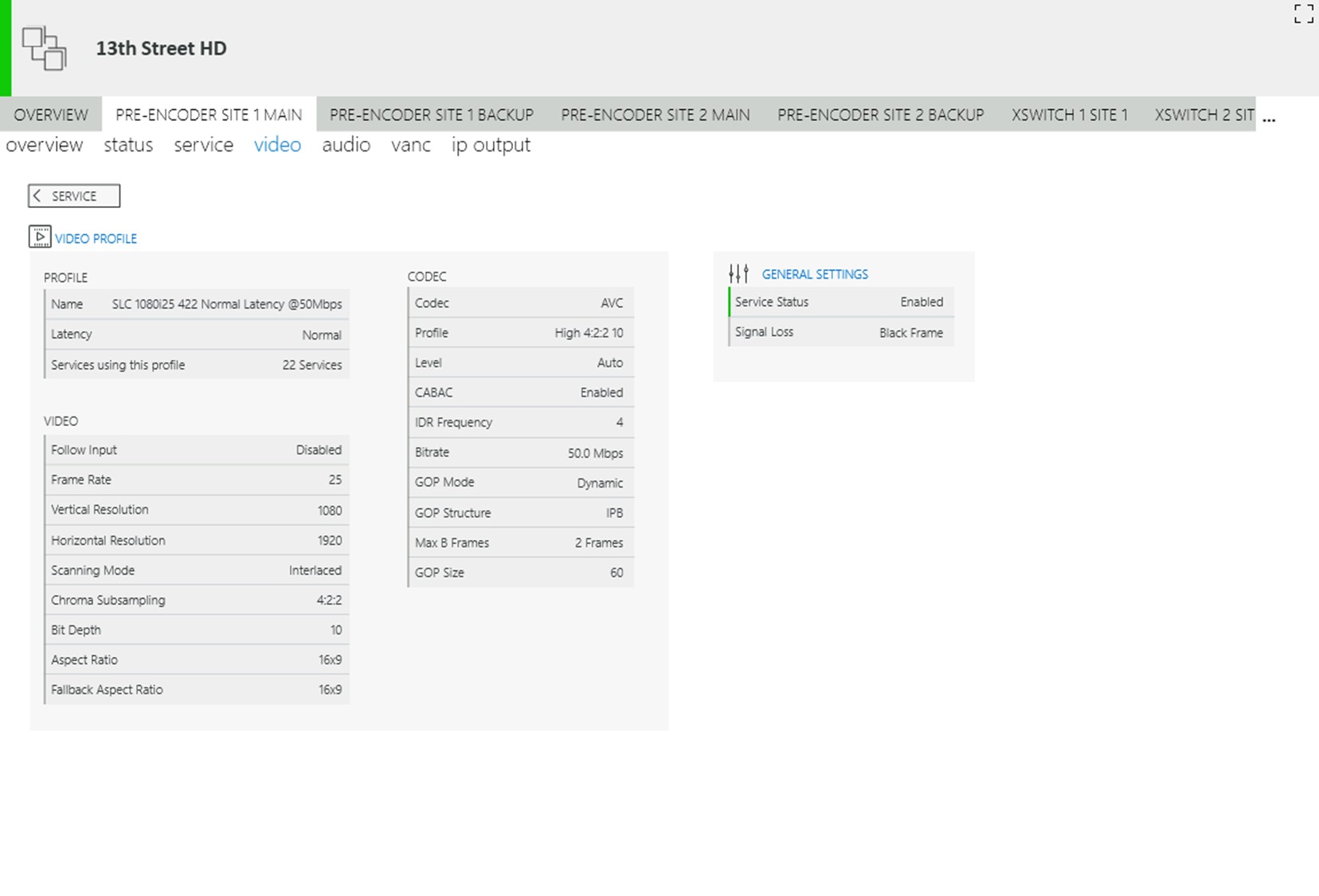
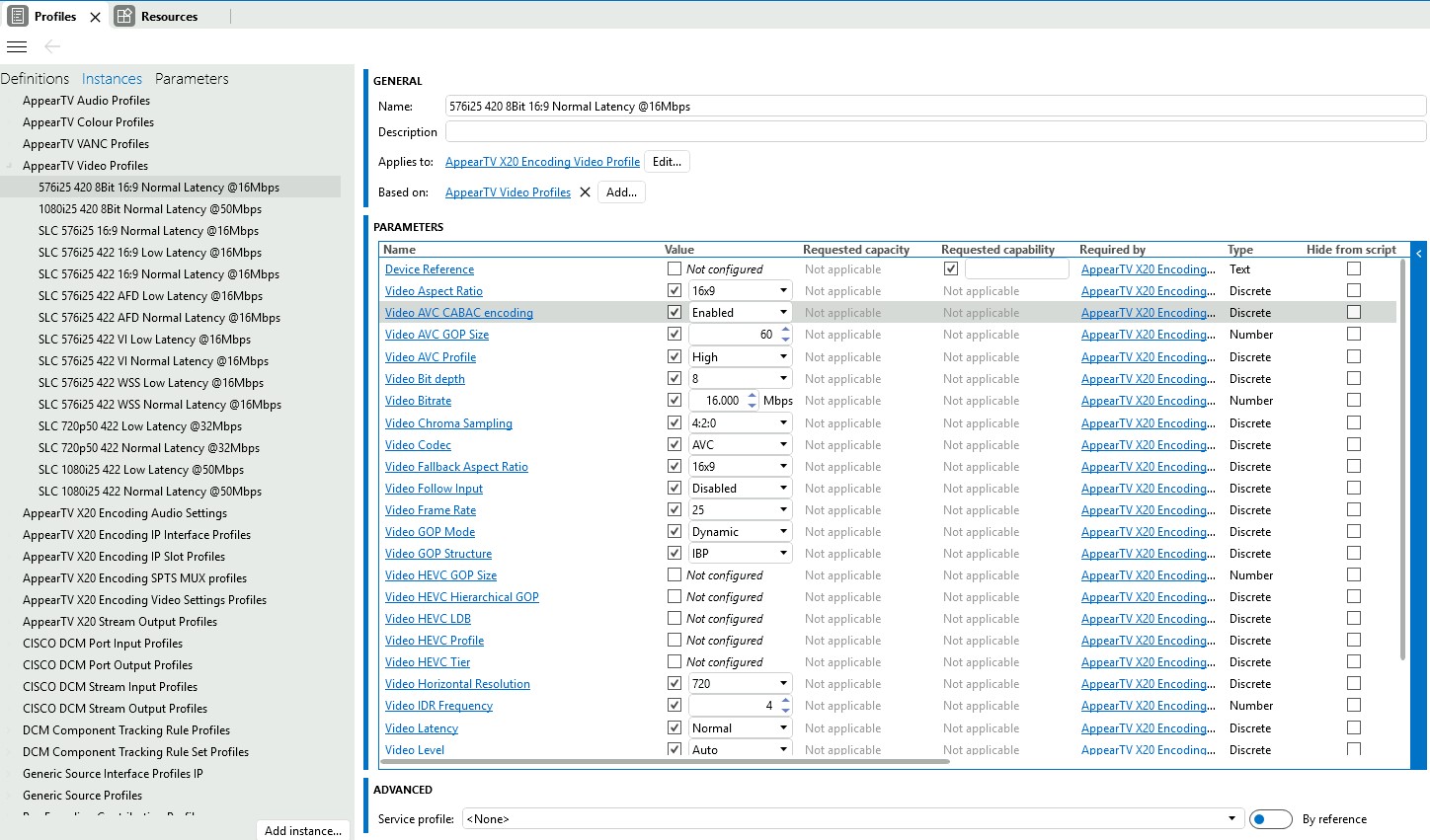 Look how detailed configuration profiles in DataMiner can be created, copied, duplicated, etc.: Operators can describe how the media channel needs to be orchestrated (in this case, the compression function) down to the tiniest detail.
While doing so, operators do not have to bother with what the underlying technology is. DataMiner takes care of translating the intended behavior into APIs for various vendors and products—even config maps for cloud compression systems.
Look how detailed configuration profiles in DataMiner can be created, copied, duplicated, etc.: Operators can describe how the media channel needs to be orchestrated (in this case, the compression function) down to the tiniest detail.
While doing so, operators do not have to bother with what the underlying technology is. DataMiner takes care of translating the intended behavior into APIs for various vendors and products—even config maps for cloud compression systems.
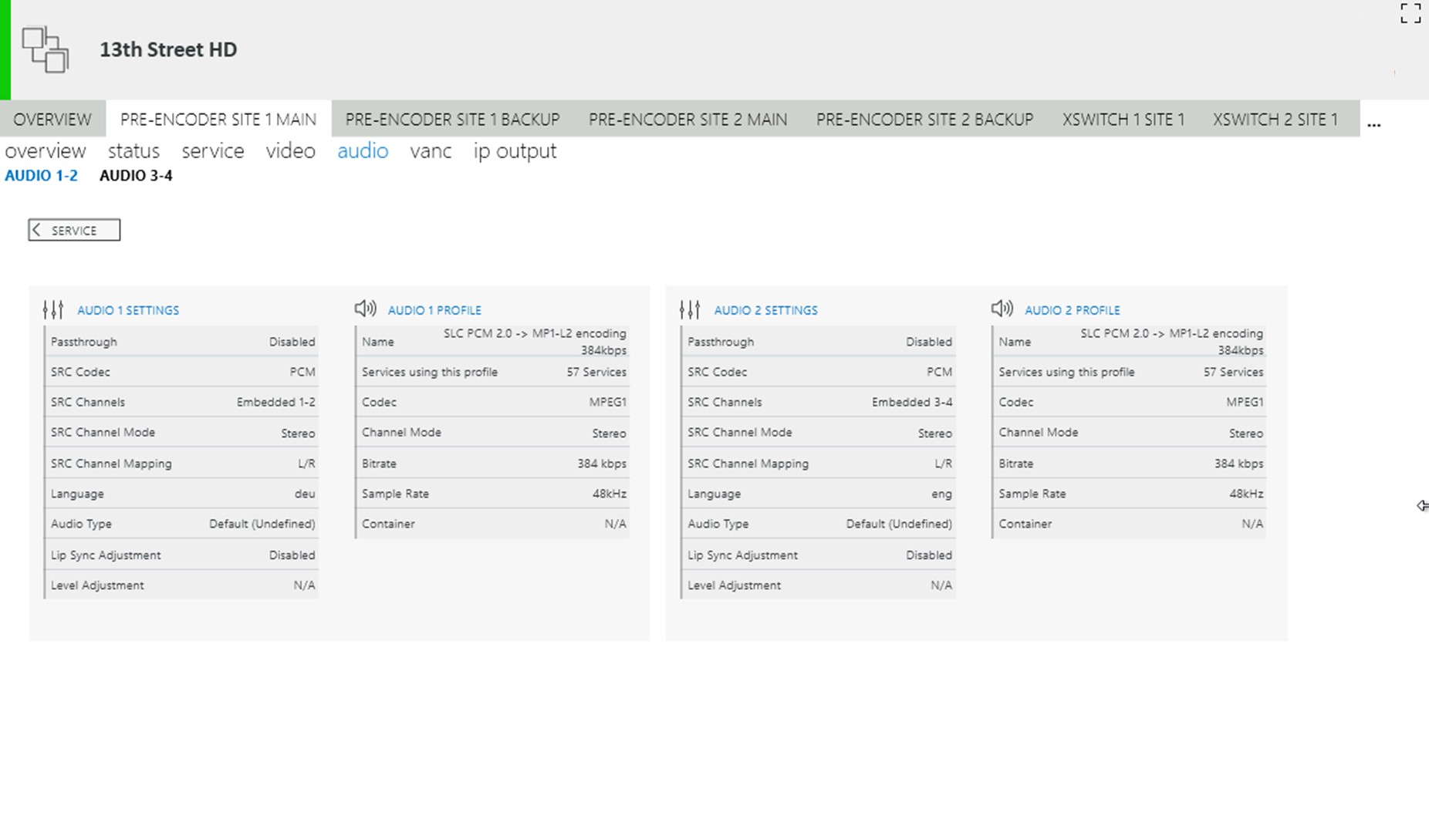
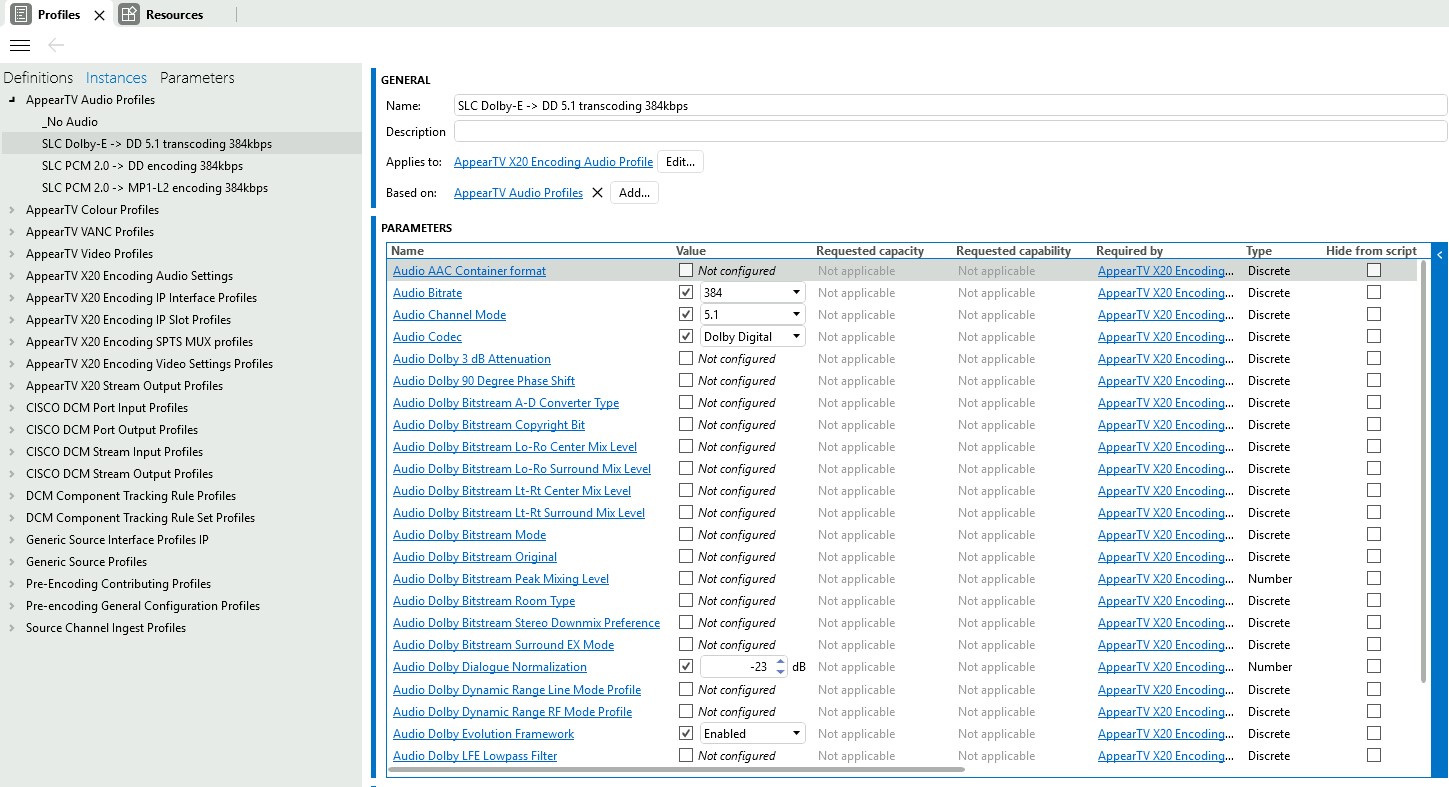 Look how detailed configuration profiles in DataMiner can be created, copied, duplicated, etc.: Operators can describe how the media channel needs to be orchestrated (in this case, the compression function) down to the tiniest detail.
While doing so, operators do not have to bother what the underlying technology is. DataMiner takes care of translating the intended behavior into APIs for various vendors and products—even config maps for cloud compression systems.
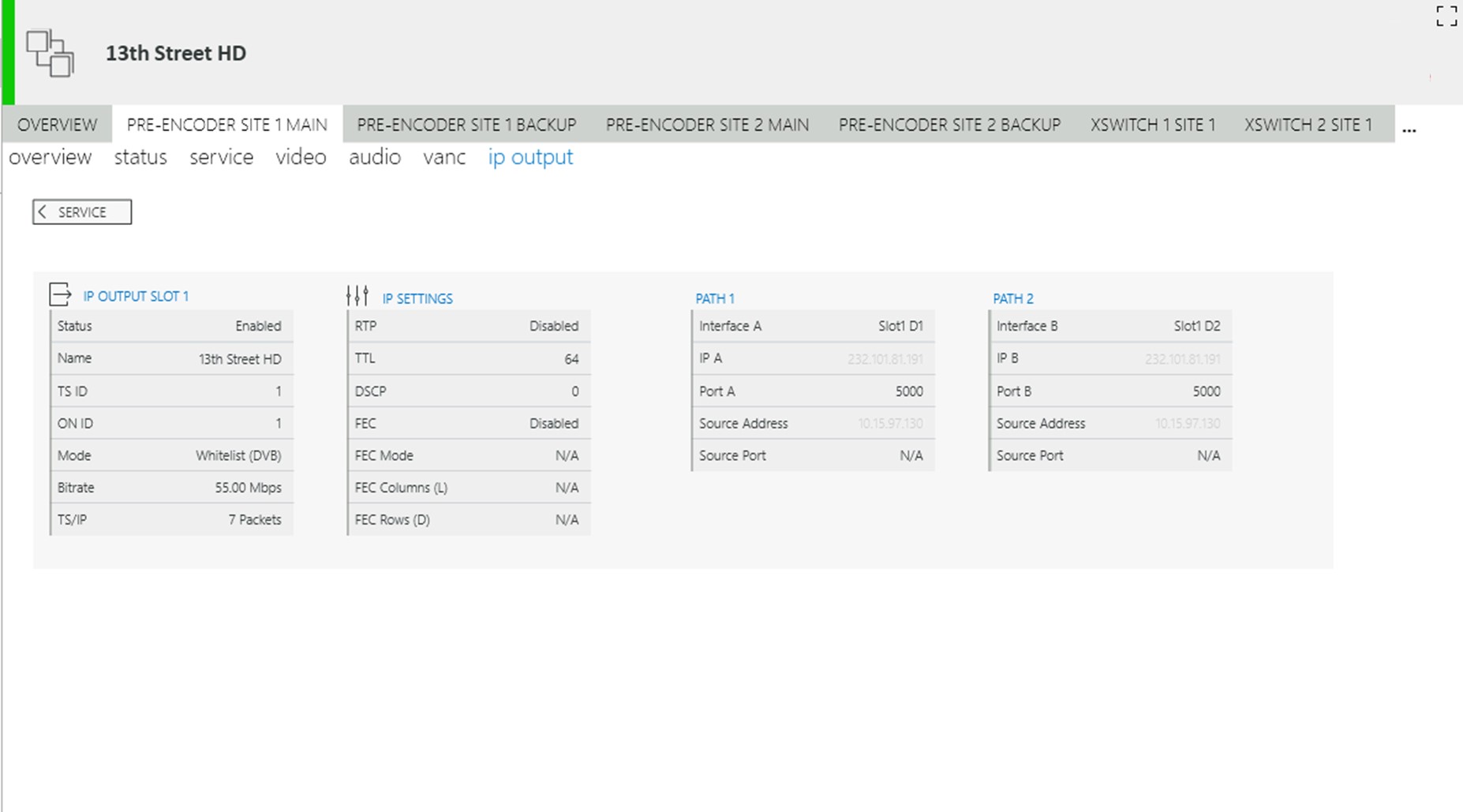
Look how detailed configuration profiles in DataMiner can be created, copied, duplicated, etc.: Operators can describe how the media channel needs to be orchestrated (in this case, the compression function) down to the tiniest detail.
While doing so, operators do not have to bother what the underlying technology is. DataMiner takes care of translating the intended behavior into APIs for various vendors and products—even config maps for cloud compression systems.
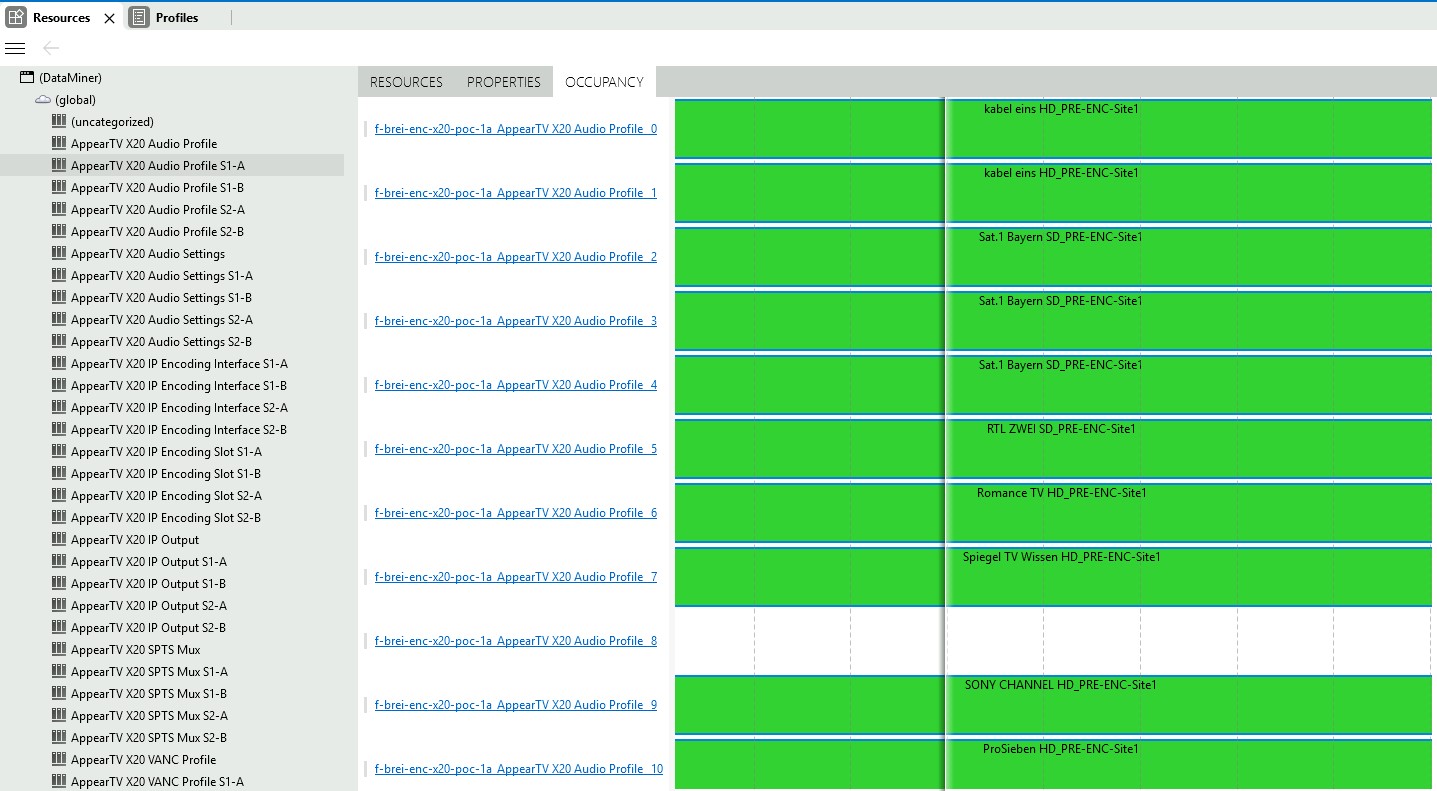 In highly dynamic media systems (encoding, satellite downlinking, media contribution networks, etc.), it is a challenge for any operator to figure out when a product is in use, which blade is in use, which cloud service (POD/container) is in use, etc. But with just a simple click, DataMiner shows the historical, actual and planned utilization for each resource. You can even see which media service is using the resource at any given time!